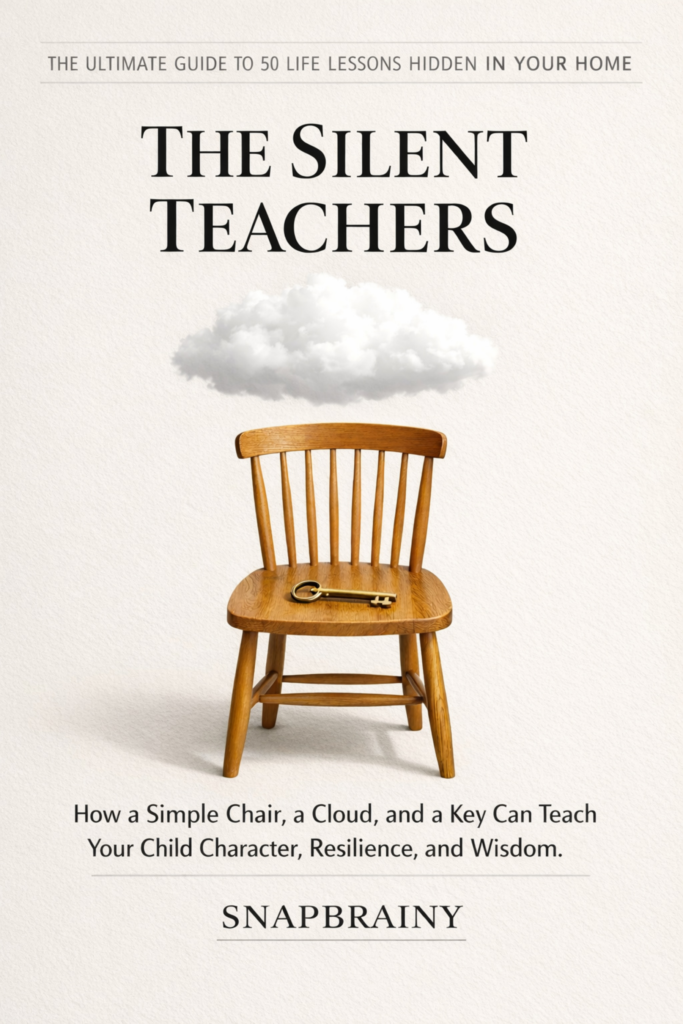
Designed for parents of children ages 6 to 12 — works from age 5 through middle school.
Start Tonight · $17.00Instant download — PDF, EPUB & Kindle
Dinner's almost ready. You want to say something real — something that sticks. Instead: "How was school?" "Fine." Another night gone.
Tonight, put a coin on the table. Say nothing. Watch what happens.
The problem with lectures is that kids hear "I'm being told what to do." This method works differently. Instead of a speech, you use an everyday object as the opening move. A coin, a door, a wallet. The object removes the power struggle. It's not you saying it. The world is. Kids engage differently when the teacher isn't the parent. Tonight, put a coin on the dinner table. Don't explain. Let them ask. That question is worth more than any lecture.
You want to talk about money, value, and fairness. But every time you bring it up, they check out.
Set a coin on the table. Ask: "What do you think this is really worth?" What follows is a conversation about value, work, and fairness. One they started.
50 chapters. Same simple flow every time: Hook → Key Question → Practical ideas. Open to any page. Use it in under five minutes.
WHAT'S INSIDE
What things are really worth.
Needs vs. WantsThe "I want it!" moment.
Limits & Self-CareScreen time without the battle.
ResponsibilityChaotic mornings, forgotten things.
Trust & IndependenceEarning more freedom.
Family ConnectionWhen everyone's on their phone.
GratitudeWasting food, wanting more.
ResilienceFailing, bouncing back, growing.
Short, practical chapters you can jump into based on what's happening at home right now.
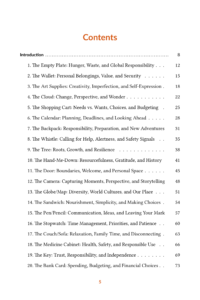
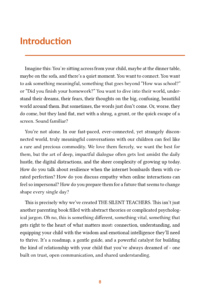
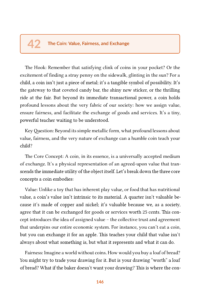
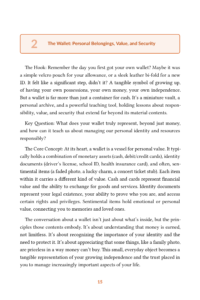
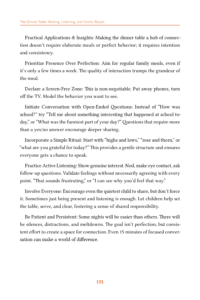
A digital guide called The Silent Teachers: 50 short chapters, each built around one everyday object. Each chapter gives you a conversation hook, a key question, and practical ways to use that object to teach your child values, emotional intelligence, and critical thinking.
No. Digital product. Instant access after checkout. Open it on your phone, tablet, computer, or Kindle tonight.
No. Jump directly to the object that matches what's happening at home right now. Screen time battle? Go straight to The Phone Charger. Money argument? The Coin. Attitude problem? The Backpack. Each chapter stands completely alone.
The sweet spot is kids ages 6–12. The conversations are designed to work with children who can already hold a real discussion. Most chapters include approaches for both younger kids in this range and older ones heading into the preteen years.
Many chapters work beautifully with sharp 5-year-olds. And most remain useful well into middle school — the conversations adapt to the child's maturity, not a fixed age. You'll quickly see which questions to lean on.
No. It's a conversation guide. The objects do the framing. You hold the boundary. There's no parenting theory to memorize and no ideology to subscribe to. You pick up the object, open the chapter, and start the conversation your way.
50 objects. 50 conversations that actually land.

