Fifty food beliefs that shaped your diet — examined for where they came from, who funded the research, and what the evidence actually shows.
Get The Guide — $12.99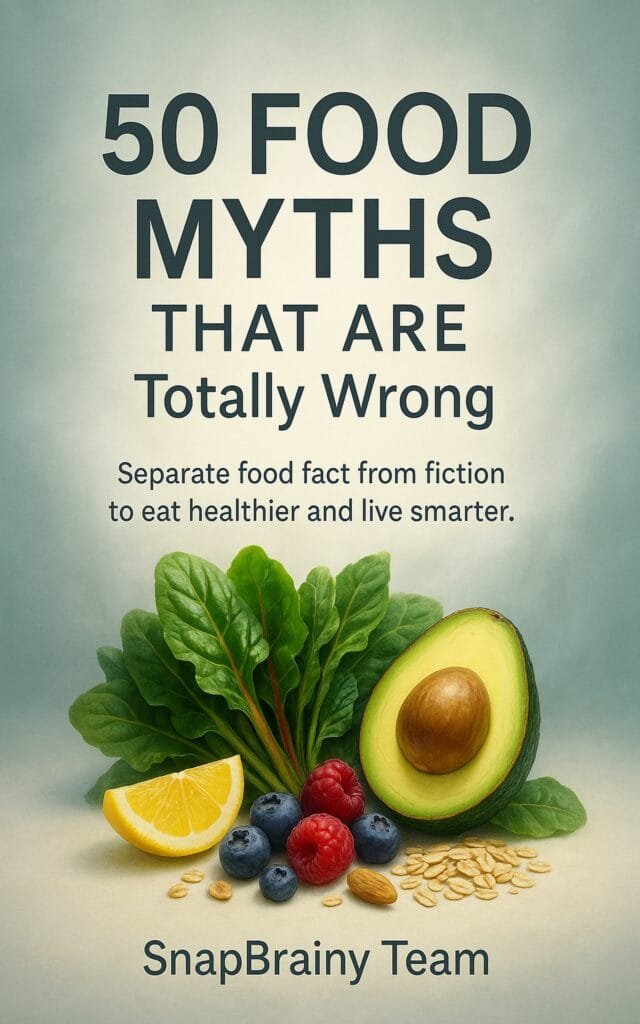
Sample chapters
What the research actually shows — and who funded the research that told you otherwise.
Dietary fat does not directly become body fat. Fat is digested, broken down into fatty acids, and used for energy or cell membrane construction. The obesity epidemic accelerated in the 1980s and 1990s — precisely when low-fat dietary guidelines were adopted and food manufacturers replaced fat with sugar. The research linking dietary fat to obesity is weak. The research linking excess refined carbohydrates to fat accumulation is substantially stronger.
The connection between dietary cholesterol and blood cholesterol has been substantially revised. Most dietary cholesterol is not absorbed into the bloodstream. The liver produces cholesterol in response to dietary intake and reduces production when dietary cholesterol is high. Multiple large studies have found no significant association between egg consumption and cardiovascular risk in healthy adults. The American Dietary Guidelines removed the cholesterol limit in 2015.
The "8 glasses per day" recommendation has no scientific foundation in its specific numerical form. Hydration needs vary enormously by body weight, activity level, climate, and diet composition. Much of daily water intake comes from food. The correct guidance, supported by research, is to drink when thirsty and monitor urine color. Forcing eight glasses per day in a sedentary, cool-climate person produces unnecessary bathroom trips, not health benefits.
This phrase was coined by James Caleb Jackson and later popularized by John Harvey Kellogg — both of whom sold breakfast cereals. The research on breakfast is muddied by industry funding. Studies not funded by cereal companies show weak evidence for breakfast's unique importance. Intermittent fasting research suggests that skipping breakfast has neutral or positive effects for many people. The "most important meal" framing served commercial interests, not nutritional science.
Multiple systematic reviews, including a 2012 Stanford meta-analysis, found no significant difference in nutritional content between organic and conventional produce. Some organic produce shows slightly higher levels of certain antioxidants in some studies. The differences are within normal variation between individual crops. Organic certification refers to production methods, not nutrient density. Whether organic is worth the price premium depends on factors other than nutritional content.
The sugar industry funded research in the 1960s to shift blame for heart disease from sugar to fat — a suppression documented in the New England Journal of Medicine in 2016. The addictive properties of sugar remain debated, but sugar activates dopamine reward pathways in brain imaging studies in ways similar to other addictive substances. Ultra-processed food companies engineer palatability using sugar and fat combinations that produce documented overconsumption. The "sugar is fine in moderation" messaging has a specific industry origin.
All 50 myths
From fats to detoxes. Fifty things people believe about food that the nutritional science does not support.
Each chapter: the myth, the evidence, the origin, and the corrected understanding.
Questions
It debunks what not to believe. Each chapter explains the myth, the evidence against it, and the corrected understanding. Some chapters include practical implications. The book does not prescribe a specific diet — it clears the misinformation so readers can make better-informed choices.
No. Most myths covered in this book appear in official dietary guidelines, doctor's advice, and major media health coverage. They are not fringe beliefs — they are mainstream beliefs that the nutritional science has substantially revised.
Anyone who eats and wants to understand why the advice they receive is often contradictory. It is particularly useful for people who have followed official dietary guidance and found it ineffective, or who are confused by contradictory health headlines.
PDF. Compatible with every device without expiry. Download once, yours permanently.
Three to five pages per myth. Each covers the myth, its origin, the evidence against it, and the current scientific understanding.
Fifty beliefs about food and nutrition that shaped your diet — examined for where they came from and what the evidence actually shows.
One-time purchase. Yours forever.
Secure checkout · Instant email delivery · snapbrainy.com

